Saudi Energy: Enhancing electricity supply reliability
Using zenon to enhance electricity grid reliability

As the demand for electrical energy in Saudi Arabia continues to grow, the Saudi Energy (SE) plays a central role in distributing power across the country. In close cooperation with SE, the system integrator Electrical Power Systems Establishment (EPSE) implemented an automation system covering remote Ring Main Units (RMUs) and overhead lines within a smart distribution network including several control centers. Built with COPA-DATA's zenon software platform, this system significantly reduces fault identification time, contributing to improved power supply reliability and optimized maintenance efforts.
zenon as a high-level energy automation system for SE with several control centers:
User-friendly system
Rapid engineering process, reducing the need for programming skills
Improved fault location delivers improved response time to outages
Minimized downtime and operational disruption
Scalable, hardware-agnostic system
Support for future network expansion
For decades, Saudi Arabia has been a key player in meeting the world's demand for fossil fuels. Like any modern society, the Middle East's largest economy depends on a consistent supply of electricity. This supports the Kingdom’s ongoing electrification efforts in line with national development objectives, including Vision 2030.
Uninterrupted electricity supply is not only essential to the daily lives of residents and businesses, it also plays a critical role in supporting tourism, particularly during the annual Hajj pilgrimage. Approximately two million pilgrims from 150 countries visit the Grand Mosque in Makkah, relying on critical infrastructure supported by a resilient and reliable electricity supply.
The entire Kingdom, which covers most of the Arabian Peninsula, relies on SE to meet its electricity needs. The country's main electricity provider is divided into separate generation and transmission companies for the central, eastern, western, and southern regions and a distribution organization. National Grid Saudi Arabia (NGrid), as part of the Kingdom’s power sector ecosystem, ensures the efficient transmission and distribution of electricity to cities, villages, and towns throughout the Kingdom.
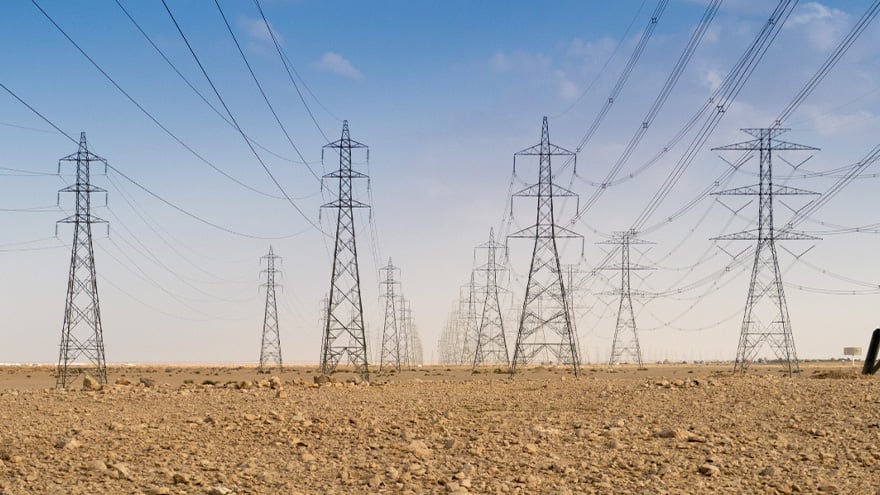
SE provides a reliable supply of electricity to residents and businesses throughout Saudi Arabia through an extensive network of transmission lines and substations.
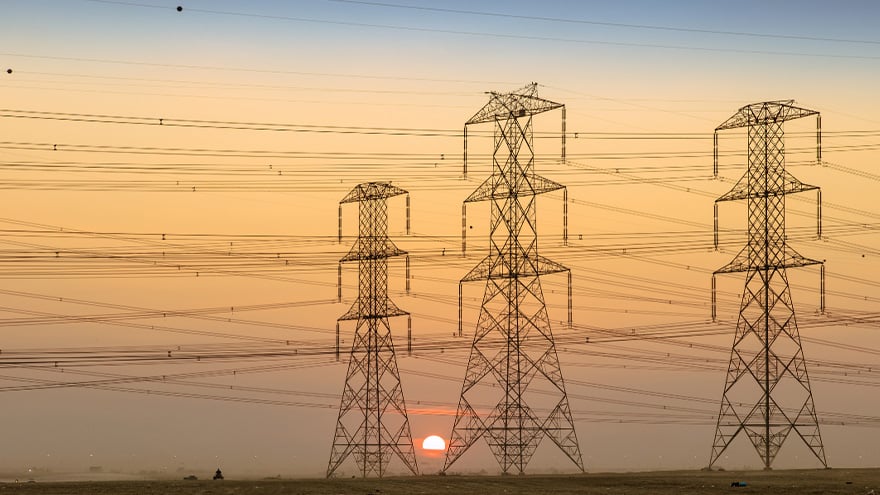
Until recently, maintaining electrical network assets along the power lines was time-consuming, dangerous, and costly because technicians had to travel to each individual asset.
SE’s technical support teams face a variety of challenges in maintaining the functionality of this wide-area power grid. In addition to wind-induced line breaks, power outages can be caused by the failure of the reclosers, disconnectors, and load break switches located along overhead power lines. Until recently, the maintenance of these components was challenging, time-consuming, dangerous, and costly. Technicians had to travel to each affected facility. Identifying the specific fault location was often challenging under previous control system limitations. It showed only the area affected by outages, not the location of the individual fault. In view of the vast distances involved, this meant fault identification and resolution often required driving long distances in rough conditions.
SE is dedicating great efforts to the development, upgrading and enhancement of its electrical network with new systems and technologies. With the goal of improving reliability, profitability and safety, SE initiated a project to automate the equipment installed across its extensive network. As part of this initiative, all smart equipment was integrated into a distribution control system to optimize operations while supporting sustainability and operational efficiency objectives.
To ensure the successful completion of this ambitious project, SE assigned the task to EPSE, a system integrator that specializes in electric power utilities. Established in 1989, EPSE is well known for its use of innovative technology sourced from the world's leading suppliers. Specializing in SCADA, automation, remote and real-time monitoring, system integration and communication – primarily for power utilities in Saudi Arabia and Bahrain – EPSE has consistently delivered advanced intelligent control and monitoring solutions. EPSE's expertise and commitment make the company a successful innovation partner for SE in developing the electrical grid into a smart network.
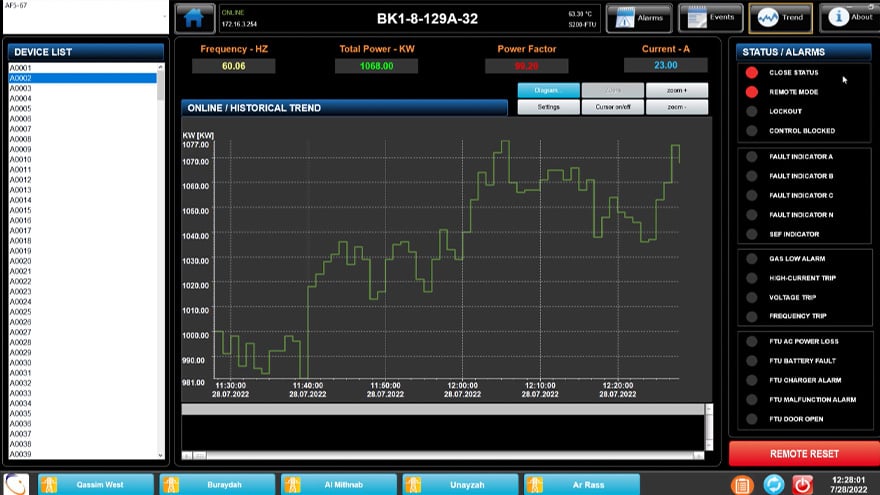
The HTML5-based zenon visualization displays comprehensive information about the state of the network – from situation overviews to historical and trend reports.
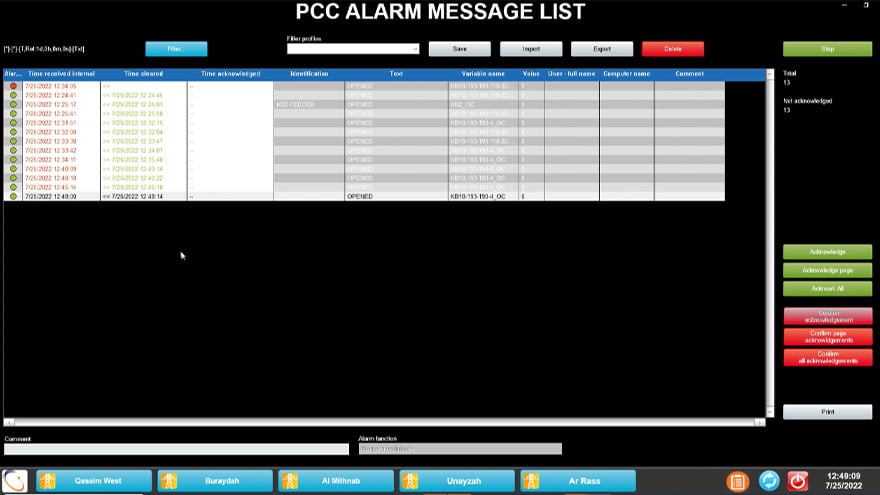
The system reports all fault events, enabling control center personnel to isolate the source of a fault within seconds. Equipped with the necessary knowledge, tools and spare parts, service teams can fix the problem quickly.
The ambitious SE project involved the construction of a number of control centers in different locations across the country, each equipped with redundant servers, engineering workstations, operator workstations, and wall-mounted control monitors.
Originally, the network infrastructure utilized to integrate equipment with the control systems was established by a third party using 4G routers. In peak seasons, such as Al-Hajj, there is massive utilization of the network by pilgrims. This made maintaining a stable connection between the Makkah control center and integrated equipment difficult, leading to continual interruption to communication with equipment. As a result, SE initiated an infrastructure upgrade to enhance communication availability by replacing SIM-based links with fiber connectivity. This strategic upgrade significantly enhanced network reliability and performance across the control centers.
To implement this comprehensive monitoring and automation project, EPSE used the open, low-code zenon software platform from COPA-DATA. EPSE is a member of the Partner Community of this leading, independent manufacturer of automation software headquartered in Salzburg, Austria. "With over 300 communication protocols and interfaces relevant to the electrical power industry, zenon made it easy for our team to integrate the heterogenous legacy equipment,” says a Business Development Manager at EPSE. “The user-friendly, low-code software platform also eliminates the need for complex programming skills to implement a comprehensive, easy-to-use control, visualization and reporting system."
Technically directed and supervised by SE’s control support department and with valuable support from COPA-DATA, EPSE implemented the zenon-based system. The project was implemented in alignment with SE’s applicable operational and communication standards. Its success was made possible by the close collaboration between SE, EPSE, and COPA-DATA. EPSE actively involved SE’s technical support team who were present across multiple control centers during system implementation. The project combined SE’s operational leadership with EPSE’s engineering expertise and zenon’s advanced capabilities.
In the control rooms, the zenon-based visualization now displays comprehensive information about the state of the network – from situational overviews to historical and trend reports.
In the past, SE staff had to switch between different proprietary control systems. With the new zenon-based system, operators have a single, easy-to-use interface to control and monitor all types of assets and devices, regardless of the asset’s brand.
The system reports all failure events and stores them in a data log. In case of incidents that result in failure, staff in a control center can isolate the cause within seconds. Based on the data received, they can anticipate what type of maintenance is required on site. If necessary, a service team can be dispatched equipped with the required knowledge, tools and spare parts. This optimizes the maintenance effort in terms of the materials, tools and workforce needed to resolve the issue, ensuring the issue is fixed in the shortest possible time.
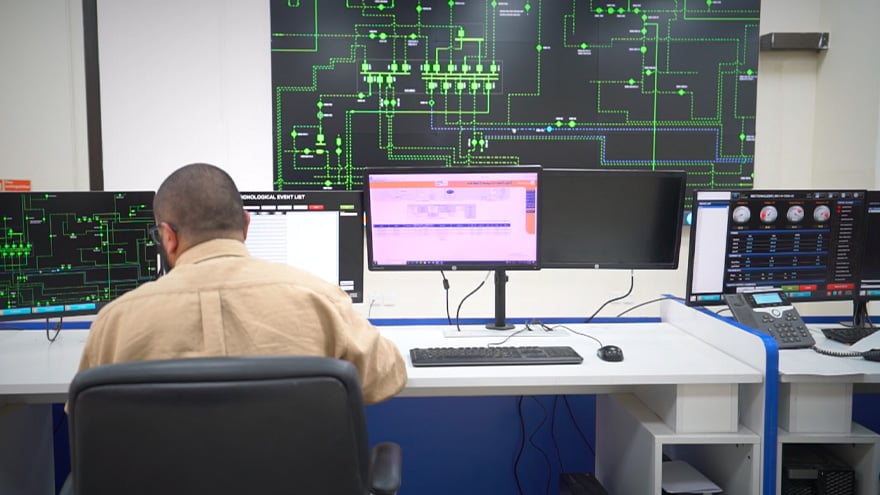
EPSE created a control center system for SE using COPA-DATA's zenon software platform. It communicates with various brands of distributed electrical network assets.
As a result of implementing this nationwide smart equipment, SE has been able to improve the reliability of its power supply through proactive planning and maintenance. It enables rapid response to failures and minimization of downtime. This contributed to improved operational efficiency through reduced downtime, optimized maintenance activities, and extended asset life. Furthermore, the capabilities for remote switching and monitoring help to improve the safety of the maintenance team during shutdowns.
Since its implementation, the system has proven its value in real-life situations. During the Hajj in Makkah, the system successfully prevented the power outages that had been common. The new solution helped SE avoid the unexpected network failures that had previously resulted from high load consumption. The system provides valuable assistance to the SE teams, enabling them to immediately locate, isolate, and take action to restore and quickly recover from outages.
All images unless stated otherwise: © SE
Using zenon to enhance electricity grid reliability